
Yellow Stool: Causes, What It Means and When to See a Doctor
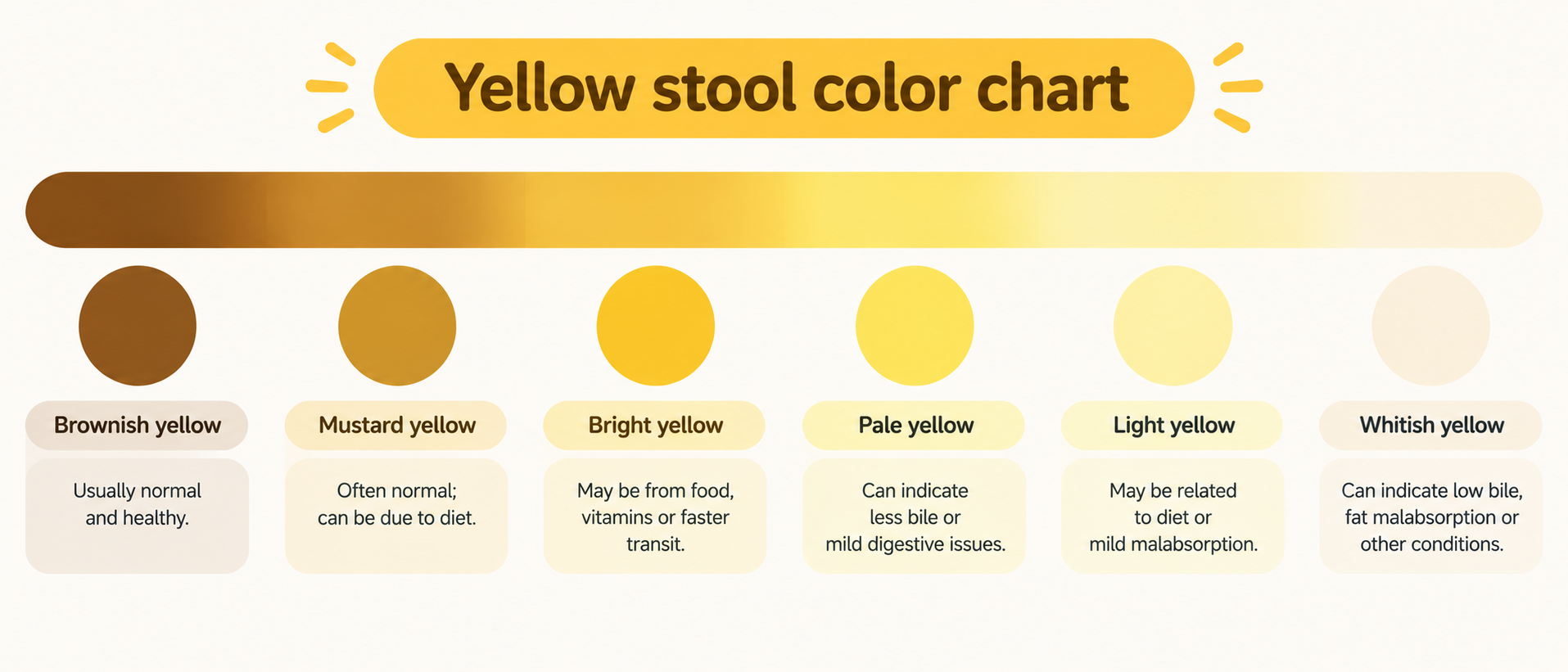
You look down before flushing and notice your poop is yellow. Cue the worry: is it something you ate, an infection, or a sign of a deeper digestive problem?
The good news is that yellow stool is often harmless, especially when it happens once or twice. But when it is greasy, foul-smelling and lasts for weeks, it can point to a problem with how your body absorbs fat. Knowing the difference helps you decide whether to relax or call your doctor.
This guide explains why stool turns yellow, the most common causes, how to tell normal from concerning, and when to seek medical advice.
Why Is Poop Normally Brown?
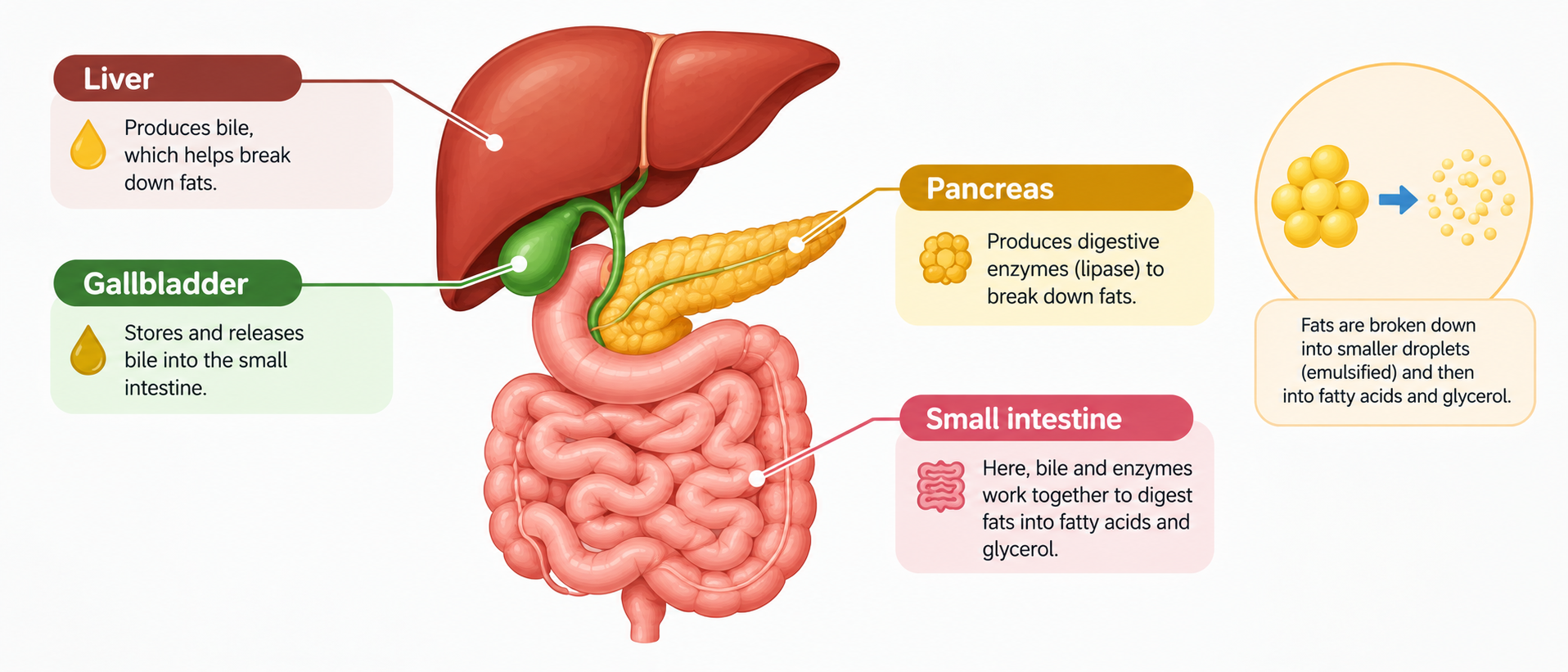
Stool gets its brown color mainly from bile, a greenish-yellow fluid made by your liver and stored in your gallbladder. Bile helps digest fats. As it travels through your intestines, bacteria change its pigments from green to yellow to brown.
If something disrupts this process, such as food moving too quickly, poor fat digestion or a lack of bile, your stool can look yellow, pale or greasy.
Is Yellow Poop Normal?
Often, yes. A single yellow bowel movement, or one that lasts a day or two after a change in diet, is usually nothing to worry about. Yellow stool deserves attention when it:
- Lasts more than one to two weeks
- Looks greasy, oily or frothy
- Has a very foul smell
- Floats and is hard to flush
- Comes with pain, weight loss or diarrhea
Common Causes of Yellow Stool
1. Your Diet
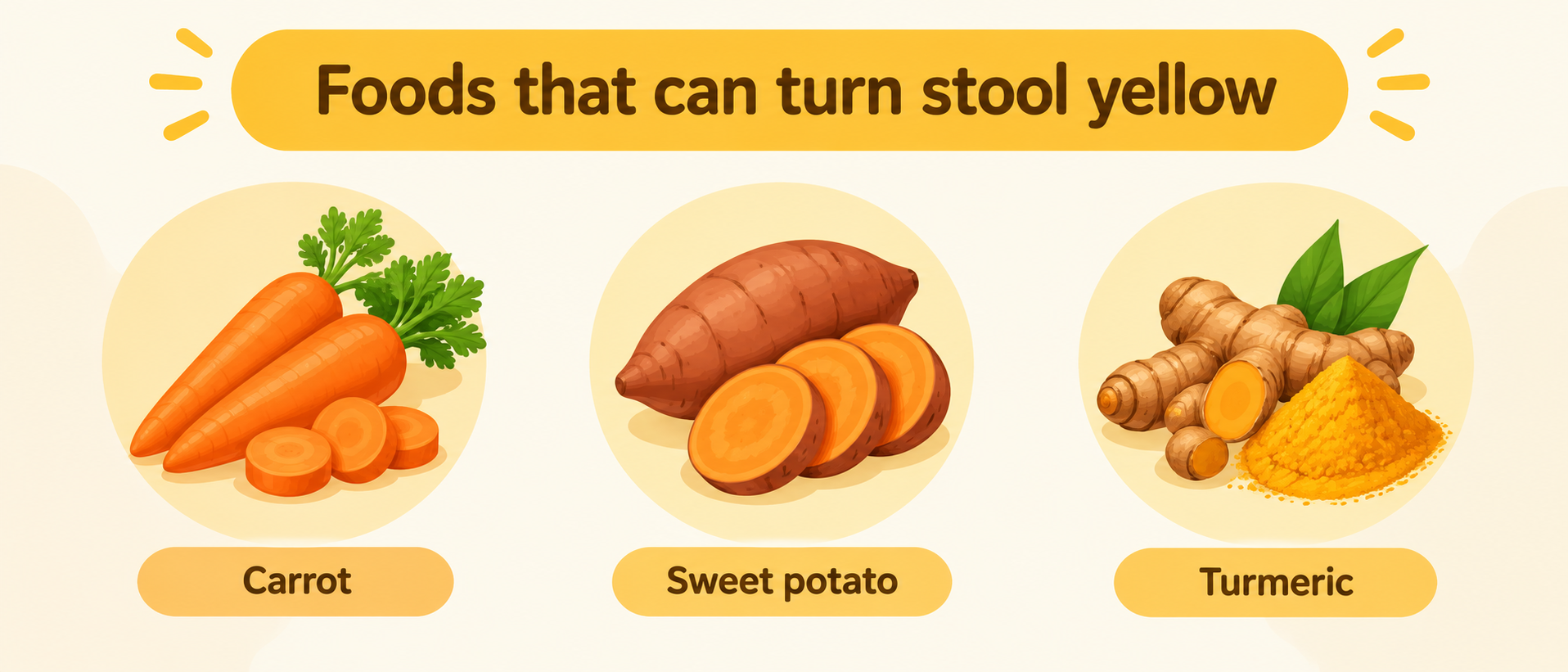
Foods rich in yellow-orange pigments can tint stool. These include carrots, sweet potatoes, pumpkin, turmeric, yellow food coloring and some supplements such as beta-carotene. A very high-fat meal can also make stool look paler and yellower.
2. Food Moving Too Fast
When digestion speeds up, as in diarrhea or after a stomach bug, bile doesn't have time to be fully processed. The stool stays yellow or yellow-green instead of turning brown.
3. Stress and Anxiety
Stress affects the gut and can speed up digestion. This may temporarily change stool color and consistency.
4. Irritable Bowel Syndrome (IBS)
People with IBS, particularly with diarrhea, may see yellow or light-colored stool along with cramps, bloating and urgency.
5. Gut Infections
Certain infections can cause yellow, loose, foul-smelling stool. A well-known example is giardiasis, caused by the parasite Giardia, often picked up from contaminated water. It can cause greasy, floating stools, gas, bloating and stomach cramps.
6. Celiac Disease and Gluten Sensitivity
In celiac disease, gluten damages the lining of the small intestine, which can reduce fat and nutrient absorption. This may lead to pale, yellow, bulky, greasy stool, along with bloating, weight loss and fatigue.
7. Pancreas Problems
The pancreas produces enzymes that digest fat. If it doesn't release enough, as in chronic pancreatitis, exocrine pancreatic insufficiency or cystic fibrosis, undigested fat ends up in the stool, making it yellow, oily and smelly.
8. Gallbladder, Liver or Bile Duct Issues
Conditions such as gallstones, bile duct blockages, or liver disease can reduce the amount of bile reaching the intestines. Stool can become yellow or pale, and sometimes clay-colored. Dark urine or yellowing of the skin and eyes (jaundice) may follow.
9. Other Digestive Conditions
Inflammatory bowel disease, small intestinal bacterial overgrowth (SIBO), and bowel surgeries can all affect fat absorption and stool color.
10. Medications
Some weight-loss drugs that block fat absorption can cause oily, yellow-orange stools. Certain antibiotics may also upset digestion and stool color.
What Is Steatorrhea?
Steatorrhea is the medical term for excess fat in the stool. It is a sign that your body isn't properly digesting or absorbing fat. Typical features include stool that is:
- Yellow or pale
- Greasy, oily or shiny
- Large and bulky
- Floating or hard to flush
- Unusually foul-smelling
A single greasy stool after a very fatty meal is not a concern. A persistent pattern is. Over time, poor fat absorption can lead to weight loss and shortages of fat-soluble vitamins (A, D, E and K).
Yellow Stool vs. Other Stool Colors
| Color | Common Meaning |
|---|---|
| Brown | Normal |
| Yellow | Diet, fast transit, or poor fat absorption |
| Green | Leafy greens, fast transit, or iron supplements |
| Pale or clay-colored | Possible bile flow problem |
| Black or tarry | Possible upper digestive tract bleeding |
| Red | Possible lower bleeding, hemorrhoids, or red foods |
Yellow Stool in Babies
Yellow poop is typically normal in babies, particularly those who are breastfed. Breastfed infants often have loose, mustard-yellow, seedy stools. Formula-fed babies tend to have tan or yellow-brown stool.
Contact your pediatrician if a baby's stool is pale, white or clay-colored, or if the baby has poor feeding, a yellow tinge to the skin or eyes, or fewer wet diapers.
⚠️ Warning Signs: When to See a Doctor
See a healthcare provider if yellow stool:
- • Lasts longer than one to two weeks with no dietary explanation
- • Is greasy, floating and hard to flush
- • Comes with unexplained weight loss
- • Occurs with abdominal pain, bloating or ongoing diarrhea
- • Is paired with fever, vomiting or dehydration
- • Appears with yellow skin or eyes, dark urine or pale stools
- • Comes with severe fatigue
How Yellow Stool Is Diagnosed
Your doctor may start with questions about your diet, medications, travel and symptoms. Depending on the situation, they might recommend:
- • Stool tests to check for infection or fat content
- • Blood tests for celiac disease, liver function, nutrient levels and inflammation
- • Imaging, such as an ultrasound or CT scan of the liver, gallbladder or pancreas
- • Endoscopy or colonoscopy if other findings suggest it
Treatment: It Depends on the Cause
There is no single fix, because treatment targets the underlying problem:
Cut back on the food responsible and the color usually normalizes.
Giardia and other infections are treated with specific medication.
A strict gluten-free diet.
Prescription pancreatic enzyme replacement.
Medication or procedures, depending on the cause.
Dietary changes, stress management and sometimes medication.
What You Can Do at Home
If you have no warning signs, try these steps:
Review what you've eaten: Over the last few days, especially yellow-orange foods.
Stay hydrated: Particularly if you have loose stools.
Eat smaller, lower-fat meals: For a few days.
Avoid alcohol: While your digestion settles.
Wash hands and drink safe water: To lower the risk of infections.
Keep a short symptom log: With dates, stool appearance and any other symptoms. It is helpful if you need to see a doctor.
The Bottom Line
Yellow stool is usually a passing change linked to what you ate or how quickly food moved through your gut. But when it is persistent, greasy, foul-smelling or paired with other symptoms, it can signal a fat absorption problem that deserves medical attention.
Pay attention to how long it lasts and what comes with it. If you are concerned, speak to a healthcare professional. Early evaluation can bring peace of mind or catch a treatable condition early.
Found this helpful? Share it with someone who is wondering about their poop color, and explore our other guides on stool color and gut health.
Clinical FAQs & Expert Guidance
Is yellow stool normal?
What does yellow, greasy stool mean?
Can food make stool yellow?
Can stress cause yellow poop?
Is yellow diarrhea serious?
Why is my poop yellow and floating?
Is yellow poop a sign of liver problems?
Is yellow stool normal in babies?
FURTHER READING
Poop Identifier Clinical Editorial — Gastroenterology & AI Heuristics Research Team
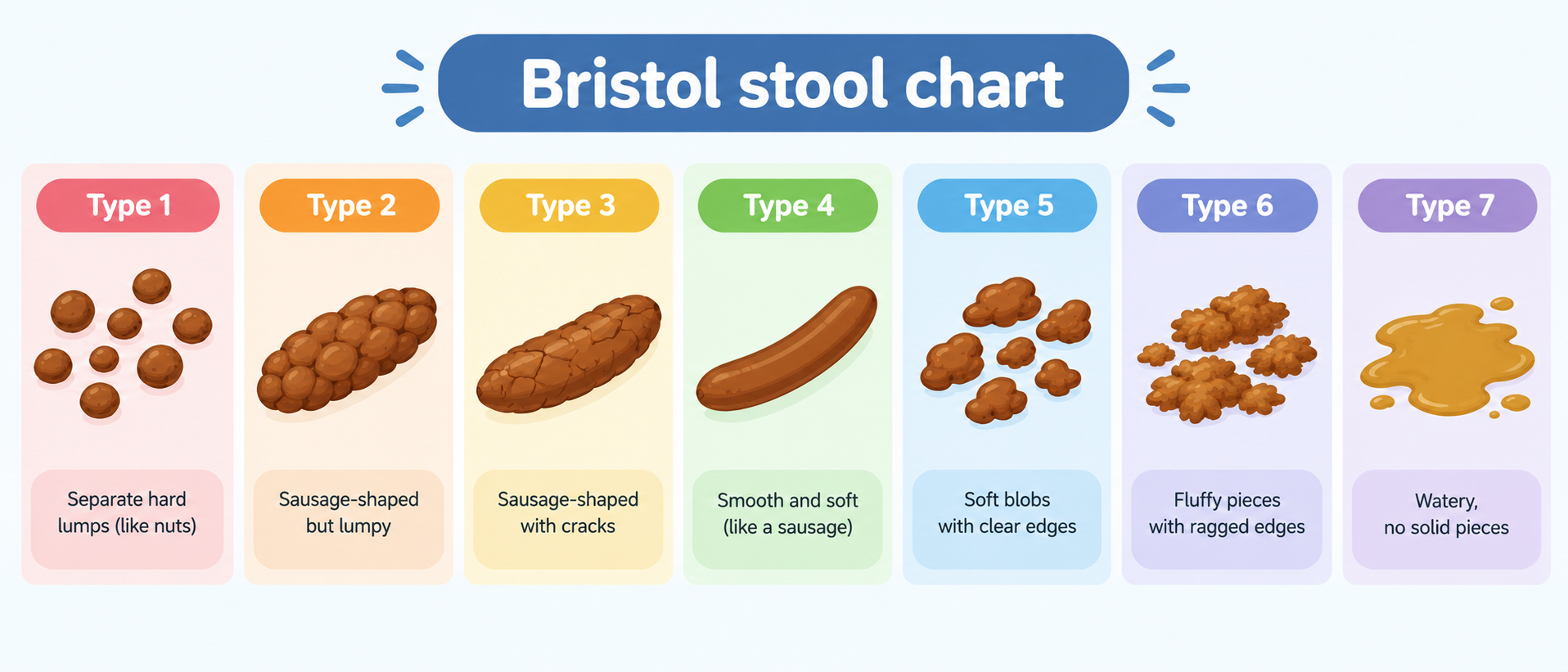
All recommendations reviewed against Bristol Stool standards and peer-reviewed gastroenterology literature. Content is informational and not a substitute for formal medical evaluation by a licensed healthcare provider.
Know What Your Poop Is Telling You in Seconds
No server uploads or guesswork needed. Our on-device AI scans transit metrics locally with 100% privacy.
SCAN STOOL FREE→